Compression gear has become one of the most effective tools for athletes, runners, lifters, and anyone who wants faster recovery and better blood circulation. Whether you’re using compression socks, compression shorts, a compression sleeve, or a full compression garment, the science remains the same: when you wear compression, you improve blood flow, stabilize muscles, and reduce swelling after intense activity or sitting for long periods of inactivity.
This guide breaks down everything you need to know—how compression wear works, the different type of compression, and why adding spandex, nylon, compression tights, compression pants, or even legging-style compression to your fitness routine can significantly improve comfort and performance. It is essentially the ultimate guide to compression and explains everything you need to know about compression technology, compression apparel, and how to choose compression clothes for your training and recovery.
What Is Compression Gear and Why Do Athletes Use It?
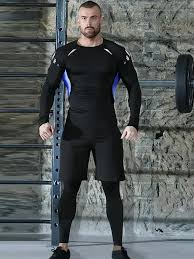
Compression gear refers to any tight, supportive clothing—such as compression socks, compression shorts, compression tights, compression leggings, compression stockings, compression sleeves, sports compression tops, base-layer compression shirts, compression pants or full-body suits—designed to apply pressure to specific muscle groups. Modern compression wear is usually made of a blend of spandex-type fibers and nylon, offering a form-fitting feel with wicking properties for comfort.
Athletes choose compression because of the benefits of compression on physiological responses like increased blood flow, improved circulation, reduced muscle soreness, and enhanced performance and recovery. Whether it’s women’s compression or men’s compression, these garments help reduce muscle fatigue, limit shin splint irritation, and support muscle recovery.
How Compression Improves Blood Flow and Reduces Soreness
The primary reason athletes use compression is to boost blood circulation. By applying graduated compression—typically measured in mmHg—compression garments push blood toward the heart, allowing fresh oxygen to reach the muscles more efficiently. This increase in blood flow helps:
- reduce post-workout soreness
- limit lactic acid and lactate buildup
- prevent swelling
- stabilize muscles like the calf and shin
- reduce DOMS (delayed onset muscle soreness)
These effects of compression make wearing compression garments especially useful for anyone who stands or sits for long periods. They also support improved recovery, helping the muscles return to normal function more quickly during the recovery process.
Sports medicine experts often cite meta-analysis studies showing the use of compression can help reduce injury risk, decrease muscle vibration, and improve performance compression outcomes.
Different Types of Compression Gear and Their Benefits
There is a type of compression for every activity. Choosing the right one depends on your sport, your focus areas, and your recovery goals.
Compression Socks for Circulation and Shin Support
Compression socks are generally used for running, long flights, work shifts, and daily movement. They enhance blood flow from the feet to the calves and offer pain relief from shin splints, calf tightness, poor circulation, and swelling. Brands like CEP and 2XU are well-known for their sports compression stockings.
Calf sleeves and compression leg sleeves offer similar benefits while providing more flexibility for people who prefer minimal gear.
Compression Shorts for Workout Power and Stability
Compression shorts offer thigh and hip support, helping reduce vibration during training. Their aerodynamic fit helps athletes move freely while stabilizing the hips and improving range of motion. They work well as athletic shorts or a base layer under running shorts or other sports gear.
Compression Tights, Sleeves, and Leggings for Full-Body Support
Compression tights, length compression tights, compression leggings, and compression pants provide full-leg support and steady improved circulation. These garments help the calves, knees, thighs, and hips remain warm and supported. A compression sleeve—whether for the calf, knee, or arm—focuses on specific issues such as soreness, swelling, or muscle fatigue.
A knee brace can also be worn with compression leggings for added joint stability.
When Should You Wear Compression Gear?
There are three key moments when compression is most beneficial:
1. During Workouts for Extra Support
Wearing compression gear during training can enhance performance by offering a tighter fit, reducing muscle vibration, and supporting alignment. This is especially helpful for running tights, performance compression tops, or compression pants during speed work, weightlifting, or high-intensity training.
2. After Training to Reduce Soreness
Wearing compression clothing after exercise helps the body recover faster by pushing out metabolic waste, improving blood flow, and reducing swelling. This can speed up the recovery process and help reduce DOMS.
3. During Travel or Sitting for Long Periods
Compression stockings, socks, and tights are essential if you sit for long periods of inactivity at a desk or on flights. They help reduce swelling, prevent discomfort, and maintain healthy circulation.
Why Compression Gear Should Be Part of Your Recovery Routine
Adding compression garments to your training routine is a small change that brings significant results. From increasing blood flow to reducing muscle soreness, preventing shin splint pain, and offering a supportive aerodynamic fit, compression clothing made from spandex and nylon helps athletes perform better and recover faster.
Whether you choose compression socks, compression shorts, compression tights, compression sleeves, compression pants, or a compression shirt, the goal remains the same: enhance your circulation, protect your muscles, and keep your performance and recovery at their peak.
Compression apparel is more than sports gear—it’s part of a smarter approach to training and recovery. For everyday wear, high-intensity workouts, or long flights, choosing the right compression can improve comfort, enhance performance, and support long-term muscle health.